Getting Around Italy
From trains to boats to scenic drives, Italy offers a variety of ways to get around. Plan the perfect journey with our tips for exploring Italy's cities, countryside and coastlines with ease.
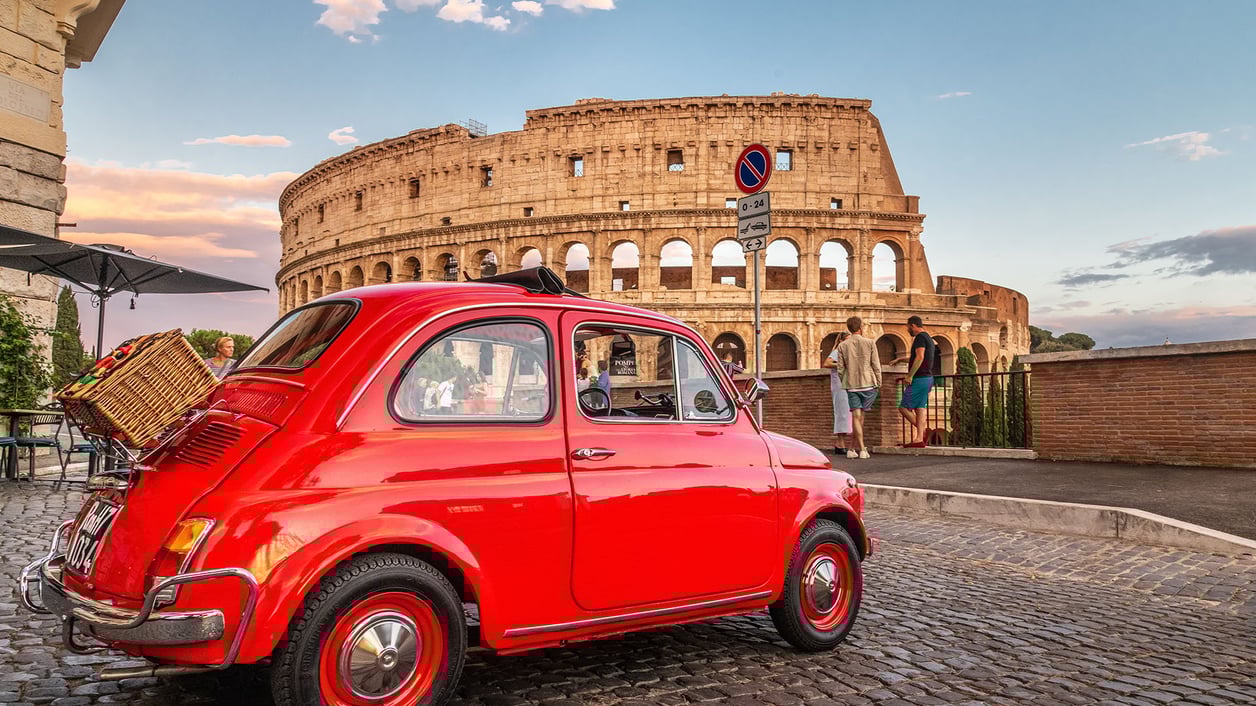
From trains to boats to scenic drives, Italy offers a variety of ways to get around. Plan the perfect journey with our tips for exploring Italy's cities, countryside and coastlines with ease.
Italy's cities and regions are well-served by the country's excellent railway network. Within each region, city and town, however, the transportation options can vary considerably.
In a populous city like Rome, there are several common ways to see the sights and get around easily and efficiently, including buses and Metro lines. In an island city like Venice, the vehicles have rudders instead of wheels. Find out more details about getting around in each of the cities and regions using the links below.

Rome's public transportation options are plentiful, which is important in a city as big and busy as the Italian capital. The real public transit workhorse in Rome is the robust network of bus routes. There are also several tram routes travelers may find useful. There is a Metro system, but it's severely limited by the difficulty of digging underground rail lines in a city with archaeological treasures that seem to appear anytime a shovel pierces the ground.
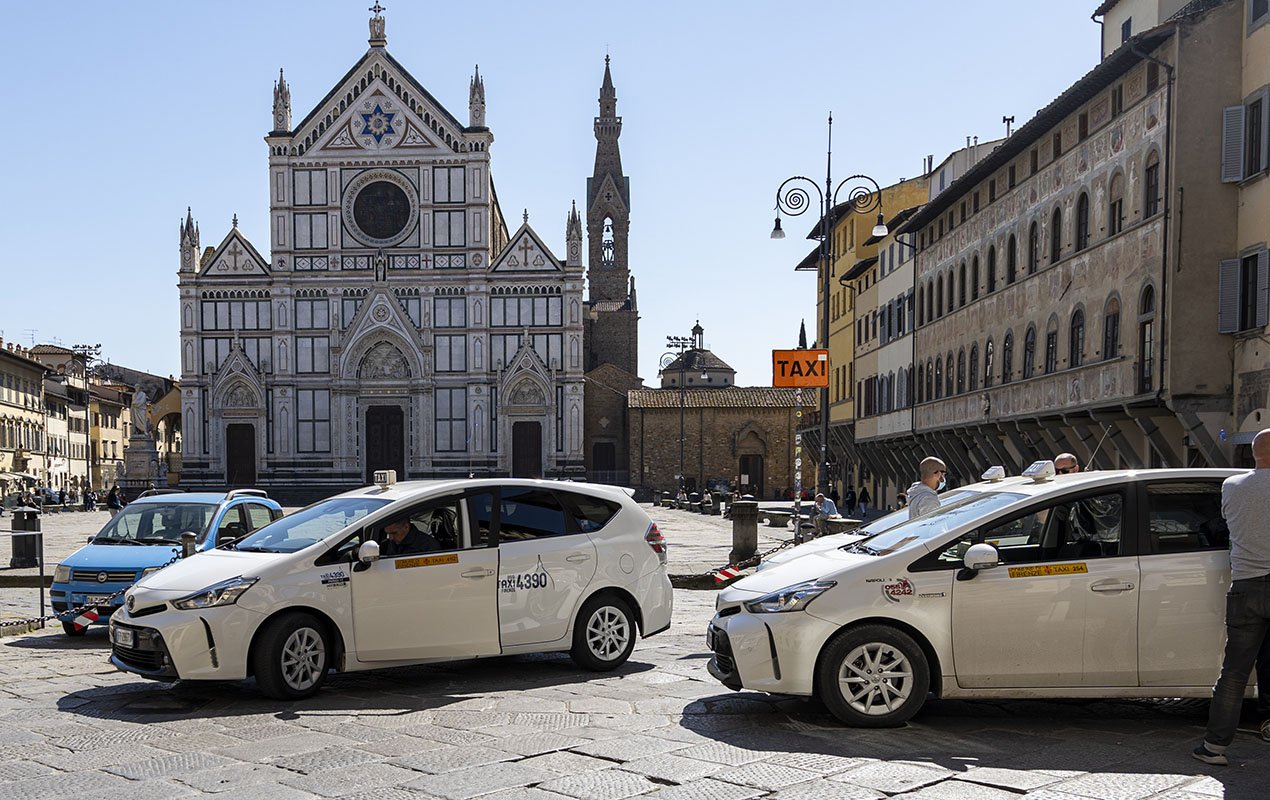
The historic center of Florence is small and very walkable. Even the train station is a relatively easy walk from the Duomo if you're traveling light. But there are city buses and trams available to get you up into the surrounding hills or simply to give your feet a break. Florence was an early adopter of bike sharing, and it can still be a great city to explore on two wheels. The service now includes both e-bikes and e-scooters as well as standard bikes.
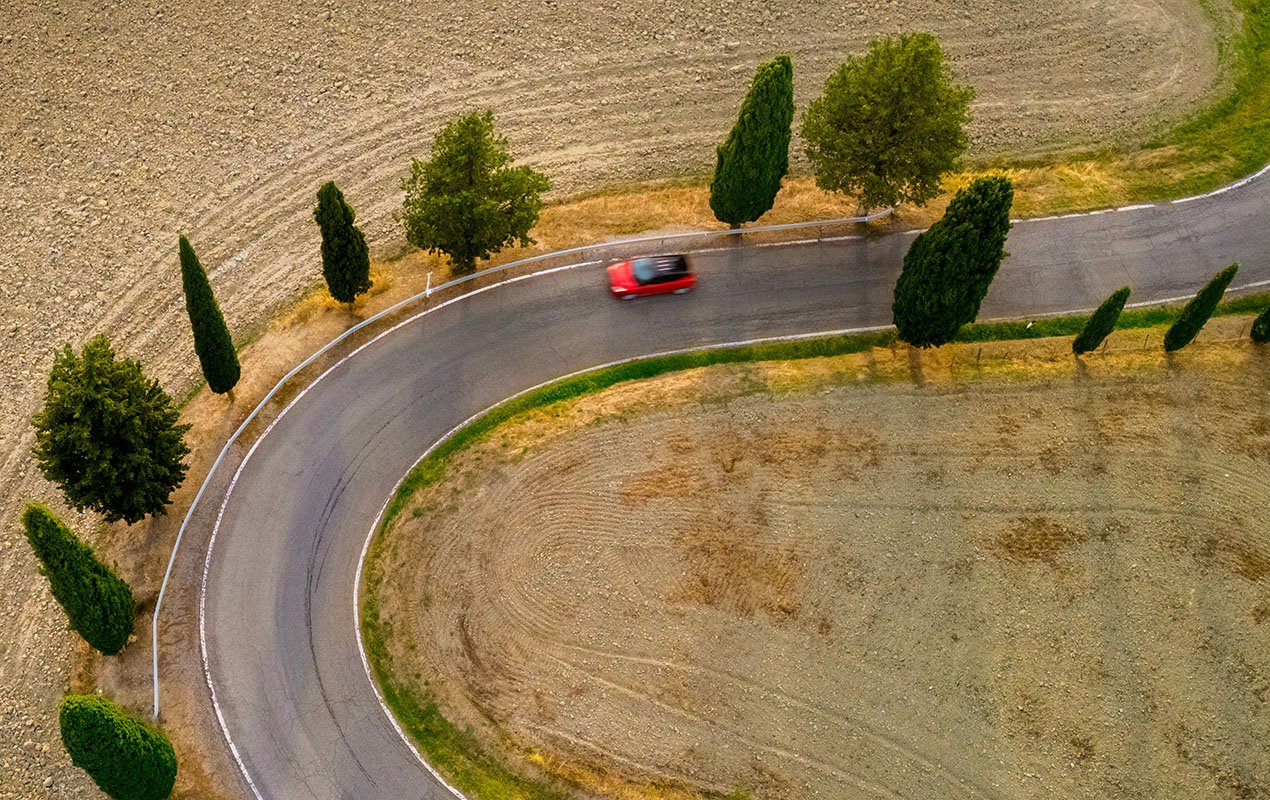
For traveling in and between the main cities and towns in Tuscany, the train is the easiest and most efficient option. If your itinerary includes more of the countryside and smaller towns, you'll probably be better off looking at the regional bus schedules or renting a car. Just remember that you want to avoid driving a car through most city centers. There are often strict rules about where you can and cannot drive and park, and accidentally breaking those rules may mean getting slapped with an unexpected fine. Always best to plan in advance!
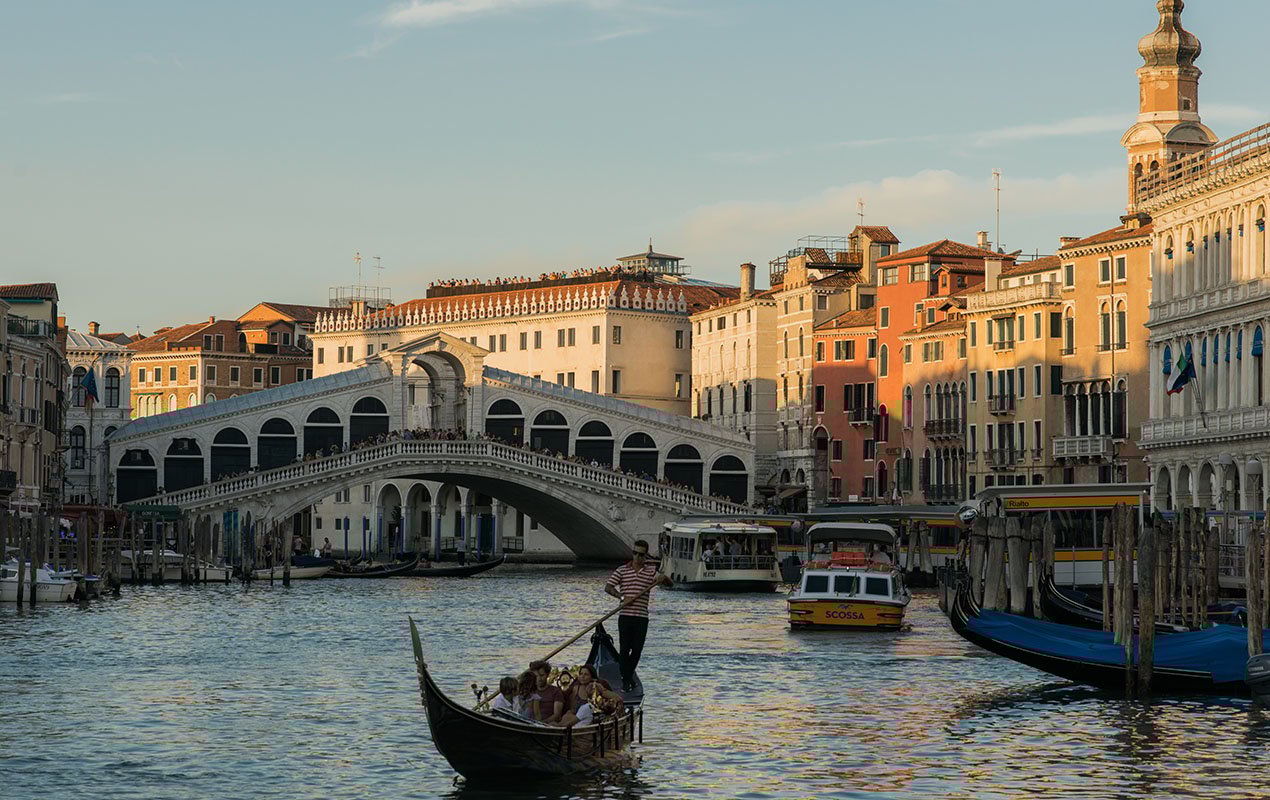
Getting around the Venetian Islands means either walking or taking a boat. Venice is the ideal city to explore on foot - the whole city is a pedestrian zone, after all. But if you want to visit some of the other islands in the lagoon, you'll need to take a vaporetto (a bus boat) or a water taxi. A gondola ride may be uniquely Venice, but it's not a method of transportation. If you want to have the local gondola experience, take a short trip in a traghetto across the Grand Canal.
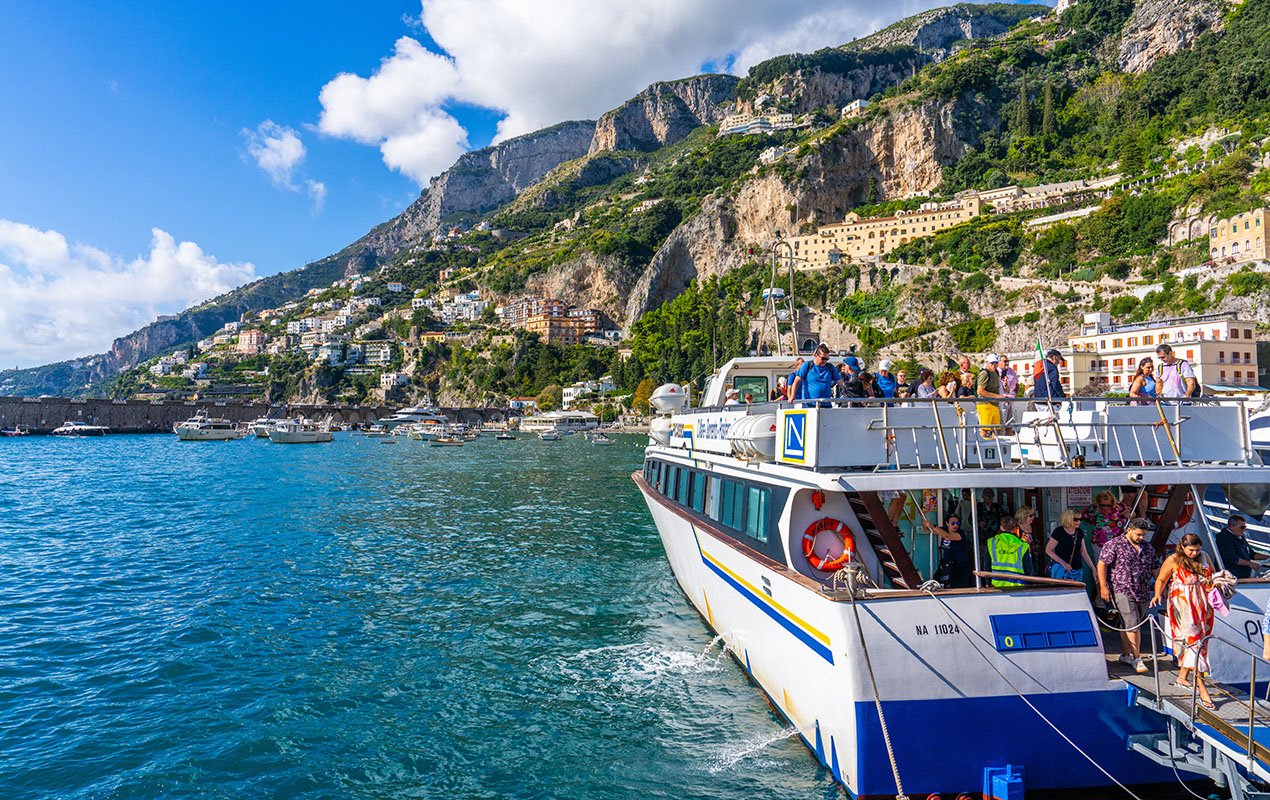
Most of the towns of the Amalfi Coast do not have train stations, so buses and boats make up the main public transportation options along the coast. Buses operate year-round and serve towns both on the water and in the hills. The ferry services between towns operate from April through October, with more limited services off season. You can also hire a taxi or a private car and driver, for a price, just note that they're sharing the same winding road that the buses use. If you're an experienced driver, you can also rent a moped or scooter for the ultimate Amalfi Coast road trip.
Sign up for our Vacation Perfect newsletter and real estate updates.